
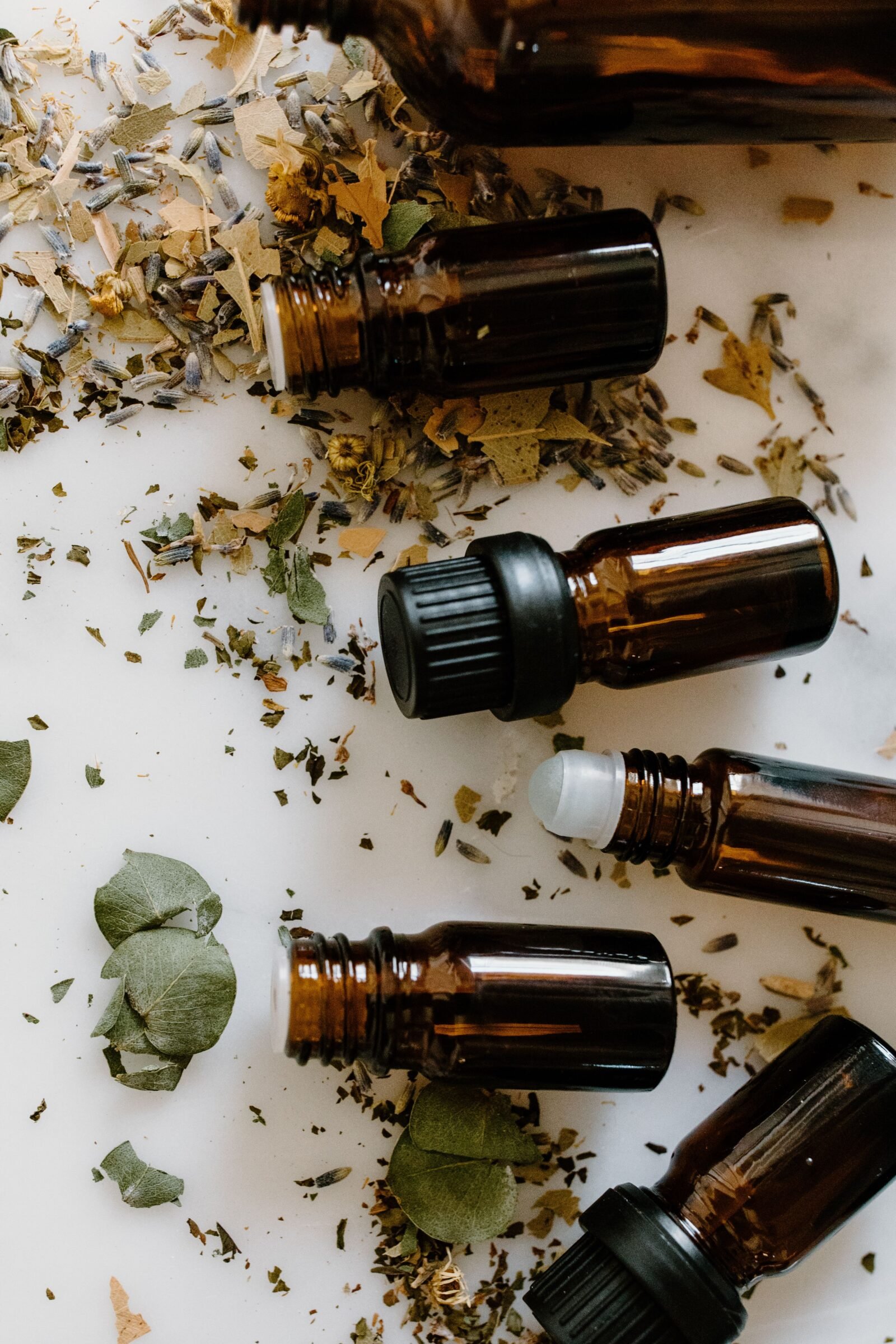
In an era of endless screen time, high stress, and packed schedules, getting a restful night’s sleep can feel like a rare luxury. If you frequently toss and turn or wake up feeling groggy, you are not alone. Millions of people search for natural remedies to quiet their minds and prepare their bodies for rest.
Enter aromatherapy. Using essential oils for sleep is a time-tested practice backed by modern scientific research. Inhaling natural botanical extracts directly engages the brain’s limbic system—the area responsible for regulating emotions, stress responses, and heart rate.
Whether you struggle with falling asleep, staying asleep, or calming a racing mind, here is a complete guide to the best essential oils for sleep and how to use them safely.
How Scent Influences Sleep
When you inhale essential oils, microscopic aromatic molecules travel through your nasal passages directly to the olfactory bulb. This sends immediate signals to the limbic system and the amygdala in the brain.
Certain plant compounds trigger the release of calming neurotransmitters, such as Gamma-Aminobutyric Acid (GABA) and serotonin, while helping suppress cortisol (the body’s primary stress hormone). The result? A lowered heart rate, reduced blood pressure, and a nervous system shifted into “rest and digest” mode.
Top 5 Essential Oils for Better Sleep
1. Lavender (Lavandula angustifolia)
-
Best for: General insomnia, nighttime anxiety, and overall sleep quality.
-
The Science: Lavender is by far the most thoroughly studied essential oil for sleep. Clinical trials show that inhaling lavender before bed increases deep slow-wave sleep and reduces nighttime awakenings.
-
How to use: Add 4–5 drops to an ultrasound diffuser 30 minutes before bed.
2. Cedarwood (Cedrus atlantica)
-
Best for: Deep, unbroken sleep and frequent waking.
-
The Science: Cedarwood is rich in cedrol, a natural compound shown to have sedative effects. Cedrol promotes parasympathetic activity, helping you drift into deeper stages of restorative sleep.
-
How to use: Combine 2 drops of cedarwood with 3 drops of lavender for a soothing nightly blend.
3. Bergamot (Citrus bergamia)
-
Best for: Racing thoughts and bedtime stress.
-
The Science: Unlike stimulating citrus oils like lemon or grapefruit, bergamot is uniquely calming. Research indicates that inhaling bergamot lowers physiological stress markers, reducing heart rate and anxiety before bed.
-
How to use: Diffuse with floral oils like ylang-ylang or lavender to ease a busy mind.
4. Roman Chamomile (Chamaemelum nobile)
-
Best for: Physical tension and calming young children.
-
The Science: Chamomile has been used as a natural sedative for centuries. Inhaling its sweet, apple-like scent eases muscle tension and helps soothe anxiety-driven restlessness.
-
How to use: Dilute 1–2 drops in a carrier oil (like jojoba or sweet almond oil) and apply to the insides of your wrists.
5. Vetiver (Vetiveria zizanioides)
-
Best for: Mental chatter and hyperactive minds.
-
The Science: Vetiver features a deep, earthy, smoky aroma. Its grounding properties make it an effective natural remedy for individuals who struggle with overthinking at night.
-
How to use: Use sparingly (1 drop is usually enough) mixed with a lighter floral or woodsy oil.
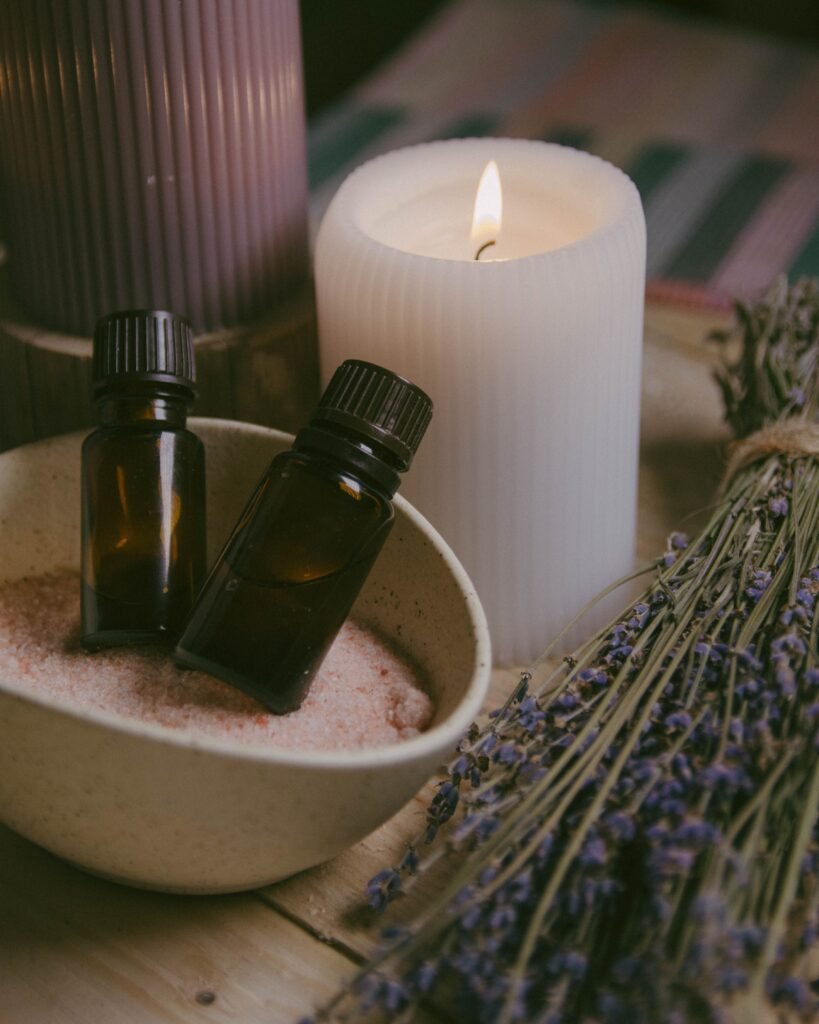
How to Incorporate Essential Oils into Your Nightly Routine
Consistency is key when building a healthier sleep environment. Pairing essential oils with your bedtime routine signals to your brain that it is time to wind down.
| Application Method | Recommended Recipe / Ratio | Best Used For |
| Ultrasonic Diffuser | 4–6 drops essential oil + 200 ml water | Room-wide relaxation 30–60 mins before sleep. |
| Pillow & Linen Spray | 10 drops oil + 2 tbsp witch hazel + 2 oz distilled water | Quick routine, travel, or shared bedrooms. |
| Topical Massage | 2–3 drops oil + 1 tbsp carrier oil | Apply to wrists, temples, or soles of feet. |
| Bedtime Bath | 5 drops oil + 1 cup Epsom salts | Muscle relaxation and pre-bed heat therapy. |
Simple Sleep Blends to Try Tonight
-
The Starter Classic: 3 drops Lavender + 2 drops Cedarwood
-
The Stress Reliever: 3 drops Lavender + 2 drops Bergamot + 1 drop Ylang Ylang
-
Deep Earth Grounding: 2 drops Cedarwood + 2 drops Vetiver + 1 drop Lavender
Safety Tips & Best Practices
While essential oils are natural, they are powerful botanical extracts that require careful handling:
-
Always Dilute Topically: Never apply pure essential oils directly to skin. Always dilute them with a carrier oil (like jojoba, coconut, or almond oil) to prevent irritation.
-
Never Ingest Oils: Essential oils should never be swallowed.
-
Check Safety for Pets and Children: Certain essential oils (like tea tree, eucalyptus, or peppermint) can be toxic to cats and dogs or too harsh for infants.
-
Choose 100% Pure Oils: Look for pure, dark-glass bottled essential oils with the Latin botanical name listed on the label. Avoid synthetic fragrance oils.
Final Thoughts
Essential oils are not a quick medical cure for chronic insomnia, but they serve as a gentle, low-risk tool to enhance sleep hygiene and calm an overworked nervous system. By building a regular nightly routine around calming scents, you can train your body to ease into deep, restorative slumber naturally.